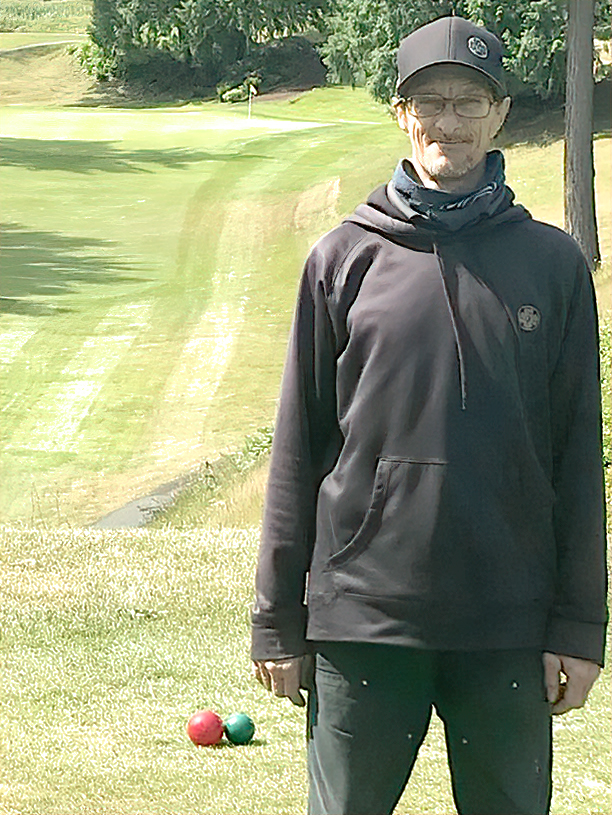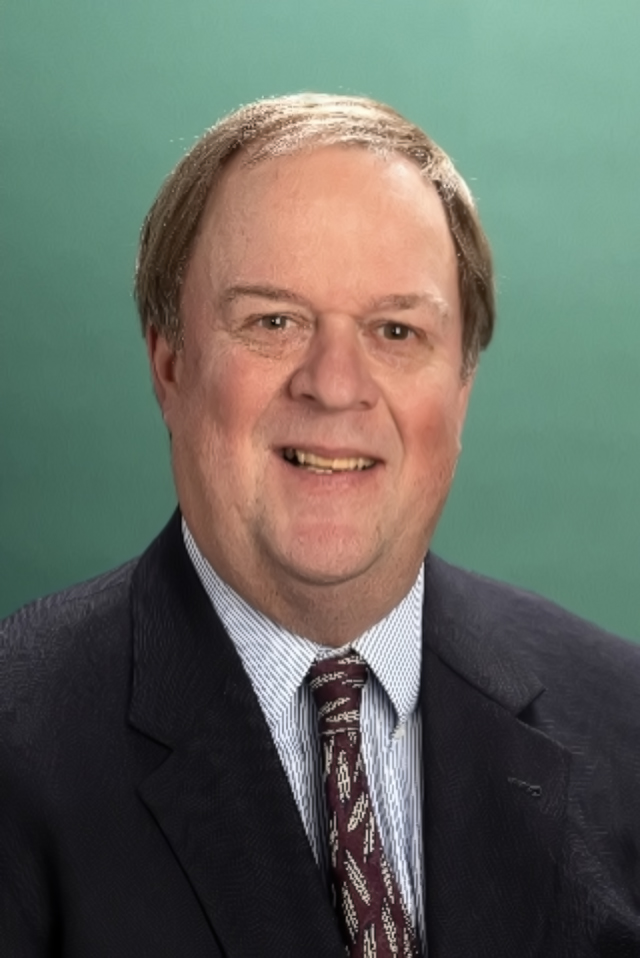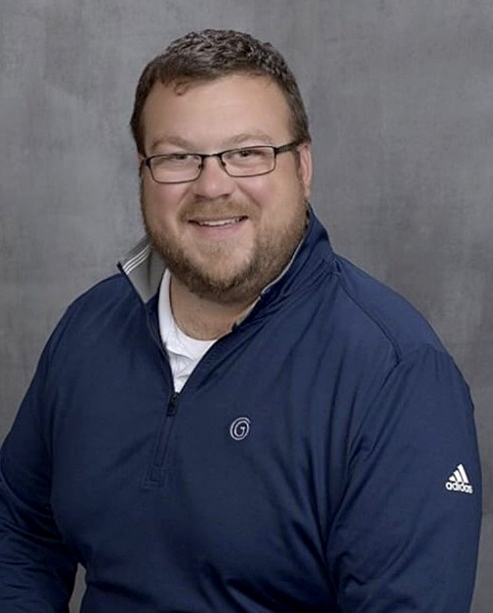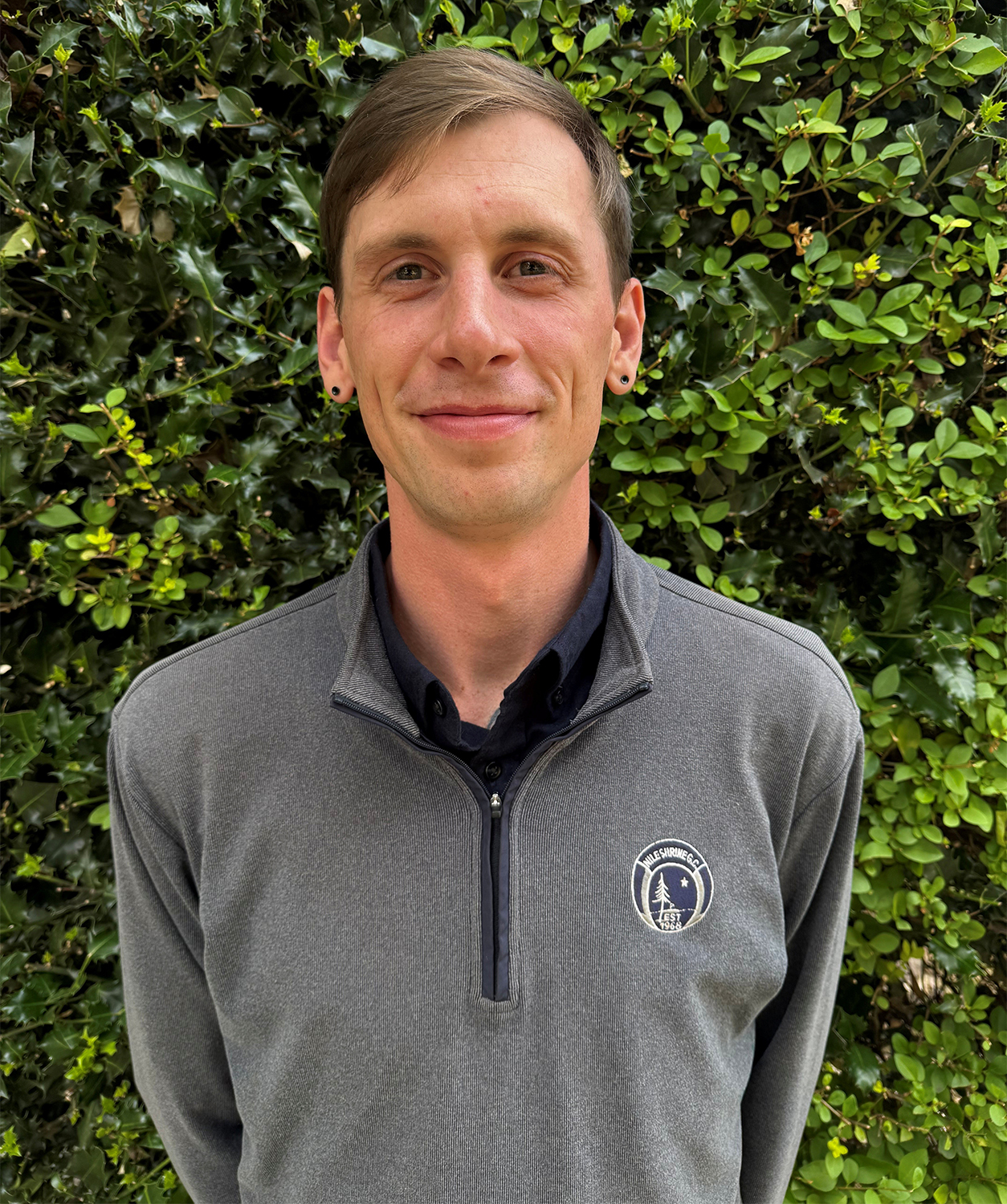
Brett Grogan is the new Golf Course Superintendent at Kitsap Golf & Country Club, taking over since Jason Krogman headed back east to Whistling Straits. Brett first got involved in turf management in 2005. Since then, the variety of the work and the fact that you learn new things just about every day has been very appealing to Brett. “Working outside is an added benefit,” he notes.
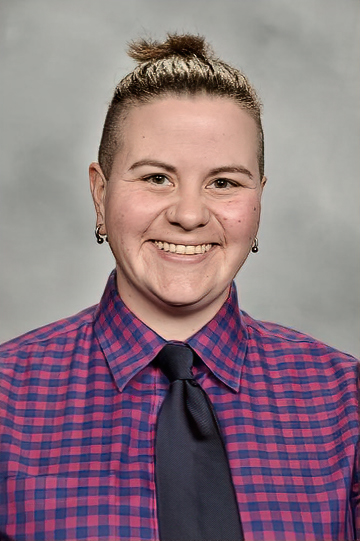
While Brett describes his Superintendent experience as short, “it’s been encouraging. I was the acting Superintendent for 3 months before [Jason] came on board, and then resumed the Assistant/Lead role. I was the Assistant/Lead to the previous Superintendent too, as well as the Irrigation and Spray Tech.”
Kitsap Golf and Country Club was Brett’s first and only home for his turf management career. He leads a crew of 8 including himself, an Assistant, an equipment manager and five other crew members. He and his team work with an annual operating budget of between $350k to $500k. The most pressing issue for his crew at Kitsap GCC has been repairing and updating the irrigation system. Brett notes that it “is by far the most challenging aspect on the course.” He chuckles at the memory of not filling out a job application at Kitsap GCC “until after my first day of work. I came into Kitsap for a prospective job and was put to work that same day.”
Still in all, being outdoors is an important element of Brett’s life, and being able to enjoy the outdoors at work is very valuable to him. “The variety of tasks, working outside, learning new things and that you can see the results of your work almost immediately” is what makes coming to work for Brett so enjoyable. The elements of his work life mesh well with what his priorities are during his off time: fishing, hunting, sports of all kinds and spending time with family. And having a big goal for his role at Kitsap GCC is motivating as well. “The long-term vision is to improve the playability and aesthetics of the course, as well as bringing and maintaining membership at the maximum that the club may have. We here at Kitsap would like to become the premier golf course on the Kitsap Peninsula.”
Renee Guyer became the Golf Course Superintendent Superintendent at Canterwood just this last year. With everything going on pandemic-wise, she hasn’t had many opportunities to meet with fellow members since joining WWGCSA, but she was able to attend the Northwest Hospitality Room and meet some of us there. We got a chance to talk to her, welcome her and get to know her better:
When did you first get involved in turf management?
I was 21 years old and looking for a career that I WANTED to be a part of – as opposed to doing something else because someone else thought it was a good idea. I had played golf since the age of 12, and it seemed like a natural fit to get involved with a game I truly enjoyed and the opportunity to work outside and not be cooped up ALL day in an office or school. I switched from being a vocal music education and vocal performance major to Turf after my 3rd year of college.
What has kept you engaged in the industry?
Engagement is a great word for being involved in not only local events and getting to know people at a local level (I am looking forward to meeting people at my first WWGCSA meeting this month!) – But national engagement has been a driving force for me too. I have had the honor and privilege to connect with other men and women in this business from across the country through volunteer opportunities with GCSAA and other opportunities through my professional tournament experience.
What is your turf management experience to date?
How many people are on your crew?
At peak season we are at 17 Employees.
What is your annual operating budget?
$950K – 975K
What is your course’s most pressing operating challenge?
Labor! I think this is the answer that everyone would give. Navigating through the pandemic and seeing some light at the other end of the tunnel is exciting, but the labor issue is still the same. Finding the right person for the right job, at the right time for the right pay.
What is your most favorite/creative story of how you were hired and/or what it took to hire someone else?
When I initially applied at Firestone, my interview was in the office of the shop. Being that I had only ever worked at a single course facility, I didn’t realize how large the room would be! They all shared one very large (and intimidating) office. When I arrived for my interview, it seemed like the supervisors kept pouring in to sit down with me for my interview. By the time it was all said and done, I interviewed in the room with 3 Superintendents and the Director of Agronomy. A little intimidating for someone looking for their first job right out of college! It all worked out in the end, and I have some of my most memorable moments in golf at that facility and with those 4 individuals.
What’s it like being a female working in a male-dominated profession?
Sometimes being a female in this business is no different than being a male. Example - We all come to work every day wanting to accomplish the same goals and provide the product that is expected of us. No matter who we are as a human. Where the difference comes in through my experience is interaction with people. I often find that communication can be stunted or stalled because people don't always know what to say to me or how to say it. That means that I must be that much more communicative and deliberate in word and deed. It is the same as far as relating to multiple generations of employees, supervisors' members etc. Just because we are talking to people who are innately different than us, doesn't mean that we can't communicate productively and efficiently. Understanding the different ways males and females often communicate has become important to me to be able to get my message or point across.
It has come to light in the last few years just how few women are a part of the maintenance side of the golf industry. Through technology and modern communication tools, many of the women in the business have been able to get to know one another and network. It has been wonderful to get to know other women from across not only the country, but the world that share a passion for turf. I look forward to the chance to help diversify the business and help women understand that this is a valid career choice and an absolute awesome industry to be a part of!
What do you enjoy the most about what you do?
Every day is different, and Mother Nature keeps us on our toes. Interacting with members has become a favorite of mine. This is the first time that I have ever worked at a facility where there are homes on the golf course. The culture here at Canterwood is very vibrant and meeting the people that live on property allows me to see their passion for the community and their love of the game.
What is your favorite thing to do outside of work?
I enjoy gardening/doing yard work with my wife. We are always tinkering on something in the garage and always trying to find better ways to grow our veggies and herbs for the season. We are big on hanging out by the fire pit and spending time with family and friends that way.
I also really enjoy throwing competitive darts. League play and tournament play.
What is your long-term vision for your course?
I want Canterwood to be appreciated for high turf quality as well as an attention to detail for all the other aspects of course maintenance. Having a smooth and well-organized operation in the Golf Course Maintenance Department is the beginning of that. We will continue to work towards improving the facility and the product that our members and guests see every day.
What would you like your colleagues to know about you that I haven’t asked?
It was a very big move coming across the country to take on a new property. A little nerve-wracking and sometimes intimidating. It has been so wonderful to start to get to know many people here in the Western Washington area. All the reps, vendors, members here at the club and even the handful of other Superintendents that I have met so far have been so gracious and kind. It really has been nice to be welcomed with open arms.

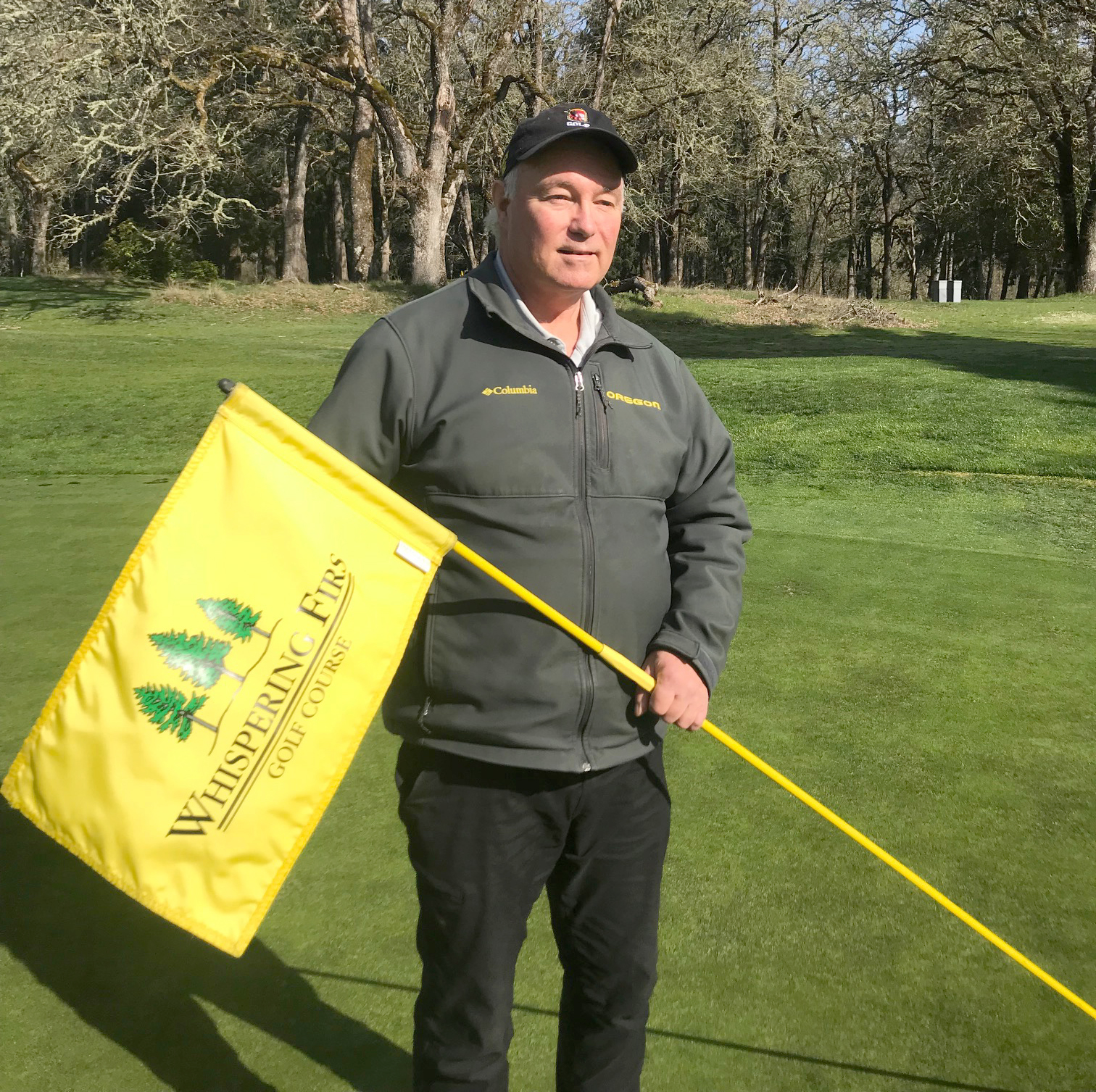
John Ford, C.G.C.S. is retiring April 30 from his Superintendents position at Whispering Firs Golf Course. John has been a long-time member of WWGCSA, and has had a lengthy career in the turf management industry. He’s been involved with the game of golf since before he was a teenager, but now it’s time for him to spend more time with three generations of his family that are very important to him.
John started his golf career as a caddie at Oswego Lake Country Club in Lake Oswego Oregon in 1965. He caddied there for 9 years and was awarded an Evans Scholarship to attend the University of Oregon. He was on the golf team for that year and studied Business Administration. That summer he worked on the maintenance crew for Dick Fluter at Oswego Lake Country Club. With the encouragement of Dick he changed schools to Oregon State to study Agronomy and while there became Tom Cook’s first Turfgrass student. He continued working on the crew at Oswego while he finished his degree from Oregon State.
John met his wife, Karen, while at Oregon State and they were married the week after graduation in 1978. John was hired as Assistant Superintendent at Royal Oaks Country Club that summer. He worked there for 3 years finishing his last season working for John Anderson. In 1981 he was hired at Tacoma Country and Golf Club as their new Superintendent. Working with Bob Root he took over at the young age of 24. During his time at Tacoma Country and Golf Club John served on the WWGCSA Board as Vice President in charge of education. Working with Andy Soden, Gary Sayre and Keith Pegg they started the first of what has now become the WWGCSA Turf and Landscape Show. These educational seminars provide recertification credits for Washington State Pesticide Licenses. He worked at TCGC through the spring of 1989 during which time he supervised the construction for the new 3 holes and the driving range. It was considered to be quite a change for such an old course.
The summer of 1989 John worked as an Administrative Assistant for Gary Sayre at Overlake Country Club. At the end of that summer the Superintendent position at Fort Lewis Golf Course (Eagles Pride Golf Course J.B.L.M. now) came open and John was hired there. Again 15 minutes from home, like Tacoma Country and Golf Club, and a very secure position. He worked for Jim Barnhouse and then Mike McDonald during his 27 years there and for the last 6 years he has been Superintendent at Whispering Firs Golf Course (On McChord J.B.L.M.) working for Jeff Clark the Director of Golf for J.B.L.M.
When asked what was his best accomplishment during his career? He said, “Being able to have such a wonderful family support me during the long hours at the course. My wife Karen, of 44 years has been amazing helping to raise our three fine boys, Brian, Nathan and Greg. They all have fantastic wives and my five grandchildren are the loves of my life. I am blessed!”
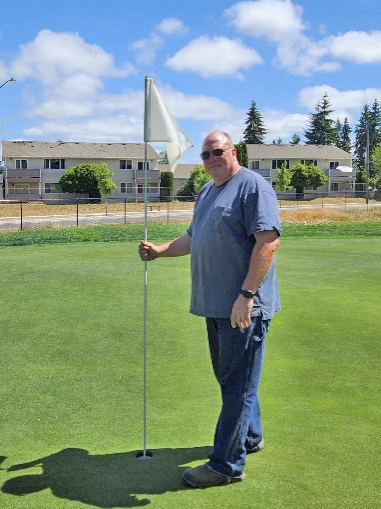
There’s a new Superintendent at Tahoma Valley Golf Course, and he worked his way up the ranks. Only it’s not what you would expect. By ranks, we mean the military ranks.
Meet Vince Hartney, native Pacific North Westerner, originally from Sandy Oregon. He spent 30 years in military service within the Command & Control career field. He launched armed fighters out of Portland and managed the ‘Air Picture’ for NORAD all from windowless buildings and aircraft. Vince notes, “I needed some outside hobbies, so I pursued a few sporting side trips.” Ultimately, Vince retired from the military, but like so many, found sitting at home or just pursuing hobbies wasn’t enough. “So, I started mowing greens and troubleshooting the irrigation system at Tahoma Golf Course in 2020.”
In March of this year, the opportunity to manage the course and lead the crew was offered to Vince. As the new Superintendent he inherited a 6-person crew, 4 of whom were also prior military service retirees. The other were a ski fanatic and a college student. Tahoma Valley Golf Course is in Yelm, Washington. The crew there maintains a full 18-hole course. “Being at work for us is like having a day of quality ‘guy time’. I’m the only member of my crew that doesn’t golf, but I do love some healthy grass!”
Vince is a new member of the WWGCSA, thanks to a referral from Jackie Klein of Walrath. He looks forward to reaching out to fellow members to learn more tricks of the trade, and broaden his scope of ‘guy time’ with people who love grass like him.
For the first installment of our Superintendent Spotlight series, we are proud to feature a leader whose steady hand, deep roots in the game, and service-minded approach have shaped one of the Northwest’s most respected clubs for more than two decades: Mike Conklin, Superintendent at Everett Golf & Country Club.
Mike has served as Superintendent at Everett for 21 years—hired directly into the role and entrusted with the stewardship of a club founded in 1910. When he arrived, he inherited a course already well-supported and maintained by a committed membership. Over the years, he has built on that foundation with thoughtful planning and steady improvement, and an approach that honors the club’s history while preparing it for the future.
Midway in his tenure, Mike played a key role in a major master plan initiative that brought a new cart barn, rebuilt swimming pool and cabana, expanded practice facilities, a covered driving range structure, and a redesigned parking area—enhancements that have complemented a recent $12 million renovation of the clubhouse.
While Everett hasn’t undergone wholesale course reconstruction during his tenure—aside from rebuilding a couple of greens roughly a decade ago—Mike has consistently advanced numerous smaller improvements. One ongoing priority has been tree management, an especially important consideration at a mature Pacific Northwest property. His steady, practical approach has ensured the course continues to thrive agronomically and strategically.
Mike’s path into the profession began with a love for the game. Introduced to golf at eight years old, he was a self-described “golf nut” through his youth and into adulthood. That passion ultimately led him to the turf management program at Oregon State University, where he graduated in 1990 (after, as he jokes, “cramming four years of college into eight”).
While at Oregon State, he worked at area courses including Trysting Tree and Tokatee Golf Clubs. Early mentors such as Bob Senzman Senseman (Mike, I don’t think I have Bob’s spelling right) at Columbia Edgewater Country Club and longtime OSU professor Tom Cook played a meaningful role in shaping his professional foundation. Mike later spent nine years at Persimmon Country Club in Gresham, Oregon, and helped with the grow-in at Trilogy at Redmond Ridge Now is The Golf Club at Redmond Ridge in Redmond. It was trilogy at Redmond ridge before Oki bought the course. I moved north after 9 years at Persimmon CC. before making the move north to Washington—a decision that has now defined more than two decades of service at Everett.
A longtime single-digit handicap in his earlier years, he understands the game from the player’s perspective. That background has informed his course setup philosophy and his approach to daily presentation. He recalls that in his early career, one of his favorite tasks was cutting cups—an opportunity to be out with the crew, lead from the front, and carefully consider how the course would play that day. That golfer’s mindset—balancing fairness, challenge, and enjoyment—continues to influence his work.
Although he doesn’t play as much golf as he once did (a reality familiar to many superintendents), his love for the game remains central to his motivation. “We’re in a service industry,” he says. “We make people happy.” For Mike, that is the most rewarding part of the job: knowing members appreciate the experience his team provides.
Originally from Oregon’s Willamette Valley—growing up in Albany and Eugene—Mike remains a proud Beaver and lifelong fan of Oregon State. After moving to Washington roughly 24 years ago, he brought that friendly rivalry north, obtaining a soft spot for the Cougars while reserving his strongest competitive feelings for the Huskies, and of course the Oregon Ducks. Probably can be removed.
When he’s away from the course, Mike prefers simple pleasures: time with his wife, tending to projects around the yard, and the occasional travel opportunity. He’s not much for movies or binge-worthy streaming—he’d rather be outdoors. Sports are a family affair. Both of his children attended Davidson College in North Carolina (yes, the alma mater of Stephen Curry) and now live in Charlotte. Despite the cross-country relocation, Seahawks and Mariners loyalty runs strong in the Conklin household. Summers often revolve around following the Mariners, with trips to the ballpark among Mike’s and his wife’s favorite outings.
In an industry experience more and more change—new technologies, evolving expectations, capital projects, and environmental pressures—Mike Conklin’s tenure at Everett stands out for its steadiness. Twenty-one years in one role speaks to trust, consistency, and a shared commitment between superintendent and membership. Mike’s blend of golfer’s perspective, agronomic expertise, institutional knowledge, and genuine service mindset reflects the very best of the WWGCSA community.
Note: The Association looks forward to gathering at Everett in mid-March for our annual Spring Meeting and celebrating the work Mike and his team continue to do every day.

If you ask Pat Oien how he got to where he is today, don’t expect a rehearsed elevator pitch or a glamorous origin story. Instead, you’ll get something far more grounded—and far more relatable.
“I went to a little ag school in Nebraska,” he says with a smile, referring to Southeast Community College. Early in his career, he admits he was hesitant to highlight that path. Not anymore.
“Your work experience speaks much louder than what a piece of paper says.”
That mindset has carried Oien through a steady and impressive rise in the turfgrass industry.
Mike has served as Superintendent at Everett for 21 years—hired directly into the role and entrusted with the stewardship of a club founded in 1910. When he arrived, he inherited a course already well-supported and maintained by a committed membership. Over the years, he has built on that foundation with thoughtful planning and steady improvement, and an approach that honors the club’s history while preparing it for the future.
Midway in his tenure, Mike played a key role in a major master plan initiative that brought a new cart barn, rebuilt swimming pool and cabana, expanded practice facilities, a covered driving range structure, and a redesigned parking area—enhancements that have complemented a recent $12 million renovation of the clubhouse.
While Everett hasn’t undergone wholesale course reconstruction during his tenure—aside from rebuilding a couple of greens roughly a decade ago—Mike has consistently advanced numerous smaller improvements. One ongoing priority has been tree management, an especially important consideration at a mature Pacific Northwest property. His steady, practical approach has ensured the course continues to thrive agronomically and strategically.
Mike’s path into the profession began with a love for the game. Introduced to golf at eight years old, he was a self-described “golf nut” through his youth and into adulthood. That passion ultimately led him to the turf management program at Oregon State University, where he graduated in 1990 (after, as he jokes, “cramming four years of college into eight”).
While at Oregon State, he worked at area courses including Trysting Tree and Tokatee Golf Clubs. Early mentors such as Bob Senzman Senseman (Mike, I don’t think I have Bob’s spelling right) at Columbia Edgewater Country Club and longtime OSU professor Tom Cook played a meaningful role in shaping his professional foundation. Mike later spent nine years at Persimmon Country Club in Gresham, Oregon, and helped with the grow-in at Trilogy at Redmond Ridge Now is The Golf Club at Redmond Ridge in Redmond. It was trilogy at Redmond ridge before Oki bought the course. I moved north after 9 years at Persimmon CC. before making the move north to Washington—a decision that has now defined more than two decades of service at Everett.
A longtime single-digit handicap in his earlier years, he understands the game from the player’s perspective. That background has informed his course setup philosophy and his approach to daily presentation. He recalls that in his early career, one of his favorite tasks was cutting cups—an opportunity to be out with the crew, lead from the front, and carefully consider how the course would play that day. That golfer’s mindset—balancing fairness, challenge, and enjoyment—continues to influence his work.
Although he doesn’t play as much golf as he once did (a reality familiar to many superintendents), his love for the game remains central to his motivation. “We’re in a service industry,” he says. “We make people happy.” For Mike, that is the most rewarding part of the job: knowing members appreciate the experience his team provides.
Originally from Oregon’s Willamette Valley—growing up in Albany and Eugene—Mike remains a proud Beaver and lifelong fan of Oregon State. After moving to Washington roughly 24 years ago, he brought that friendly rivalry north, obtaining a soft spot for the Cougars while reserving his strongest competitive feelings for the Huskies, and of course the Oregon Ducks. Probably can be removed.
When he’s away from the course, Mike prefers simple pleasures: time with his wife, tending to projects around the yard, and the occasional travel opportunity. He’s not much for movies or binge-worthy streaming—he’d rather be outdoors. Sports are a family affair. Both of his children attended Davidson College in North Carolina (yes, the alma mater of Stephen Curry) and now live in Charlotte. Despite the cross-country relocation, Seahawks and Mariners loyalty runs strong in the Conklin household. Summers often revolve around following the Mariners, with trips to the ballpark among Mike’s and his wife’s favorite outings.
In an industry experience more and more change—new technologies, evolving expectations, capital projects, and environmental pressures—Mike Conklin’s tenure at Everett stands out for its steadiness. Twenty-one years in one role speaks to trust, consistency, and a shared commitment between superintendent and membership. Mike’s blend of golfer’s perspective, agronomic expertise, institutional knowledge, and genuine service mindset reflects the very best of the WWGCSA community.
Note: The Association looks forward to gathering at Everett in mid-March for our annual Spring Meeting and celebrating the work Mike and his team continue to do every day.
There’s a certain kind of professional who doesn’t just do a job—they grow up inside it. For Marcus Harness, the path to becoming a golf course superintendent wasn’t mapped out in a classroom or discovered late in life. It was lived, day after day, on a nine-hole course where community, responsibility, and a love for the game quietly shaped everything that followed.
Ask him where he’s from, and you’ll get two answers. To the broader world: Seattle. To those who understand the nuance of Puget Sound geography: Bainbridge Island. That distinction says a lot. Harness doesn’t just come from a place—he comes from a community, one that instilled in him both a deep respect for the game and a natural ease with the people who play it.
Harness grew up at Meadowmeer Golf & Country Club, a place he describes as foundational—not just to his career, but to who he is as a person. It was the kind of environment where kids weren’t just tolerated; they were absorbed into the fabric of the club. His mother would book tee times for him and his brother as a form of childcare, confident that the membership would keep an eye on things.
That early immersion mattered. It meant learning how to interact with adults, how to carry yourself, and how to be accountable—all before most teenagers get their first job. Eventually, by the age of 15, Harness wasn’t just a kid hanging around the course—he was part of the golf course maintenance crew.
What started as a summer job quickly became something more. Long days working outside, followed by evenings playing golf until dark, turned into a rhythm he didn’t want to leave. Even when he wasn’t officially on the schedule, he found his way back—working in the golf shop, helping wherever needed, staying connected.
Looking back, it’s clear that Meadowmeer didn’t just introduce him to golf maintenance. It gave him perspective—from player to employee to future leader.
Harness didn’t initially set out to become a superintendent. Like many, he headed to college with a different plan, enrolling at Washington State University as a construction management major. But exposure to the turfgrass program—and the realization that golf course management was a legitimate career—changed everything.
He shifted to a degree in crop science with an emphasis in turf management, and from there, his world expanded.
At WSU, he found not just an education but a network—peers who would become lifelong colleagues and friends. He gained hands-on experience helping build Palouse Ridge, balancing the demands of school with the realities of construction and maintenance.
Internships followed, each one adding a new layer: Seattle Golf Club under the tutelage of Matt Schuldt, Glendale Country Club, and even a stint with the USGA Green Section. Each stop introduced him to mentors who shaped his development in different ways.
Among them, one stood out.
For Harness, Steve Kealy has been the constant—the mentor who didn’t just guide him through a job, but through a career.
They met before ever working together, and Kealy immediately took him under his wing. From advice as simple as “put your name tag on and go shake hands” to major career decisions—like urging him to head to Monterey rather than stay local—Kealy has been a steady voice of perspective and encouragement.
That advice led Harness to the Pebble Beach Company, where he worked at Spanish Bay and later Pebble Beach itself, gaining exposure to major championship preparation, including the 2010 U.S. Open.
It was a pivotal experience—but also a reminder that life doesn’t always follow a straight line. A family health scare prompted Harness to make the decision to return home, taking a position at Overlake Golf & Country Club. It was the right move personally and professionally, reinforcing both his values and his trajectory.
From Overlake to White Horse, and then to Sahalee Country Club, Harness steadily built his skill set—each role offering more responsibility, more autonomy, and more opportunity to lead.
At Sahalee, working under Tom Huesgen, everything seemed to click. Harness describes it as the moment where all the pieces came together—a place where he could apply what he’d learned while still having the support to grow.
It was, in his words, the perfect bridge between learning and leading.
When Harness arrived at Sand Point Country Club in 2019, he stepped into a role that would define his career.
The club was in the midst of a major transition—a full-scale golf course renovation that would reshape not just the property, but the expectations around it. For a first-time superintendent, it was a baptism by fire.
He had barely a month to get his bearings before construction began. “It was like drinking from a fire hose,” he admits.
But in many ways, the pace worked in his favor. Decisions had to be made quickly. Teams had to adapt. Culture had to form under pressure. It accelerated everything—evaluation, trust, leadership. More importantly, it forced clarity.
Harness quickly identified who on the team was aligned with the club’s new direction and who wasn’t. From there, he began building a team capable of not just executing the renovation, but sustaining the elevated standards that would follow.
Because, as he made clear to the membership, the renovation wasn’t the finish line—it was the starting point.
One of Harness’s most significant contributions at Sand Point wasn’t just operational—it was educational. He helped the membership understand that investing in infrastructure and design meant committing to ongoing excellence. More features, higher standards, and greater expectations all required increased resources. The message landed.
The club responded with support, adjusting budgets and expectations to match their ambitions. Over time, Sand Point transformed—from a strong family club with a golf course, into a club who’s ambition is a golf experience which stands shoulder to shoulder with the region’s best.
And then came the next step.
If the course renovation was the visible transformation, the new maintenance facility was the backbone. Harness played a key role in guiding the project from concept to approval, ensuring the membership understood its importance. The existing setup, while functional, limited efficiency, strained resources, and placed unnecessary burdens on the team. The new facility changed that.
With overwhelming member support, the project moved forward—years of planning, design, and construction culminating in a modern hub that improves everything from workflow and equipment care to employee experience and safety compliance.
But true to form, Harness doesn’t see it as an endpoint. “It just puts us in a position to take the next step,” he says. That mindset—always looking ahead—is central to how he leads.
At its core, Harness’s approach is simple: the work is never finished.
He and his team operate with a constant focus on improvement—identifying what can be better, presenting options, and working with the membership to evolve the course over time.
“They pay us to figure out what’s wrong,” he says with a smile.
It’s not about criticism—it’s about opportunity.
From major capital projects to small operational tweaks, everything is part of a larger process of refinement. It’s a philosophy that keeps the course moving forward and the team engaged.
For someone who started as a teenager by weed-whacking pond edges and finding satisfaction in immediate results, the rewards have evolved.
Today, it’s about the bigger picture.
A busy summer day with members enjoying the course. An invitational event where everything comes together. A team executing at a high level. A vision realized through countless decisions—many of them made under uncertainty.
“It’s validating,” he says. “To make those decisions and then see the end result.”
When he’s not at work, Harness keeps things simple—and rooted in what matters most. He still loves to play golf when time allows. He’s a die-hard Seattle sports fan. But increasingly, his focus is on family. “I so much appreciate the life that Mikelle (his wife) and I have been able to create together.”
With two young boys at home, that life includes coaching youth sports, attending games, and watching them discover the same joy in athletics that shaped his own upbringing.
It’s a full circle moment—one that feels fitting for someone whose life has always been tied to community.
If there’s a common thread in Marcus Harness’s story, it’s this: growth through experience.
From Meadowmeer to Monterey to Sand Point; from assistant roles to leading a major club transformation, every step has been built on what came before it. Every mentor, every challenge, every decision has contributed to the professional—and person—he is today.